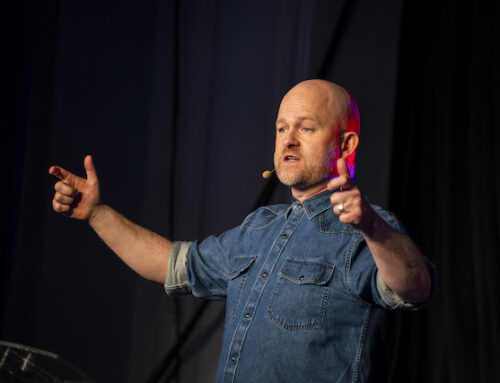
Jordan Walker
Jordan's never done "ordinary." With 15 years in hospitality including managing the floor at Manchester Arena, he's now the Director at ConnectIn Events, where he rips up the rulebook to create events people actually remember.

A well-planned conference looks effortless. Attendees arrive on time, the speakers are prepared, and technology works. When it goes this well, leadership can’t fail to see the value.
Of course, anyone who’s actually had to plan a conference will know how much work it takes to make it look that easy; and a fair few will have horror stories about how quickly things can unravel when the logistics are off. The pressure, the moving parts, the fear of missing something critical… It can be a lot to deal with.
Having done it for the best part of twenty years, the team at ConnectIn Events knows that planning a conference doesn’t have to be daunting. With a clear framework, you can deliver an event that runs like clockwork. No budget blowouts, no awkward surprises, and no last-minute grabs for the stress ball.
Our guide will walk you through the essential steps that work every time.
Start at the End (And a Realistic Budget)
Before you start getting excited about venues and menus, first think about the purpose of your conference. Perhaps you’re bringing regional teams together for strategy talk, running a client summit to strengthen partnerships, or hosting an industry event to show you’re a thought leader. Those conference objectives will shape every subsequent decision.
Then comes the crucial part: money talk. When planning a conference, your budget isn’t just a number — it can keep your expectations realistic and decisions practical.
Break the figures into categories: venue hire, catering, AV equipment, keynote speakers, marketing materials, and always — always — factor in a 10-15% contingency fund. Trust us, you’ll use it.
Finally, here’s a pro tip that separates the amateurs from the experts: involve your stakeholders early so you can get sign-off on your objectives and budget before you start booking anything. It’s much easier to adjust expectations at the planning stage than to explain why you’re £5,000 over budget three weeks before the event.
Planning a Conference Checklist: Your 12-Week Timeline
The secret to stress-free conference planning? Start early and work backwards. Here’s your essential planning a conference checklist:
12-10 weeks before:
- Define your objectives and get budget approval.
- Identify your target audience and expected numbers.
- Create a shortlist of potential venues.
- Book your keynote speaker (the good ones get snapped up fast).
9-7 weeks before:
- Choose your venue and negotiate the contract.
- Plan your agenda and session topics.
- Line up additional speakers and facilitators.
- Launch your registration platform.
6-4 weeks before:
- Finalise catering requirements (including dietary needs).
- Sort AV equipment and tech support.
- Create delegate packs and marketing materials.
- Send reminder communications to registered attendees.
3-1 weeks before:
- Conduct a site visit and do a run-through with venue staff.
- Confirm final numbers with caterers.
- Brief your speakers and volunteers.
- Prepare your emergency contact list (you’ll sleep better!).
Conference day:
- Arrive early (like, really early).
- Do a final tech check.
- Brief your team on their roles.
- Take a deep breath…you’ve got this!
Choosing Your Conference Venue: Location & Logistics
Your venue can make or break guest perceptions. When planning a conference, go beyond expected capacity and price and try to visualise the experience from the attendee point-of-view. Consider accessibility, parking, public transport links, and the overall vibe of the space.
In Manchester, we’re spoiled for choice. For something truly impressive, The Lowry at Salford Quays offers stunning waterfront views and state-of-the-art facilities. Want something with historical character? Manchester Central combines Victorian class with modern tech capabilities. For smaller, more intimate gatherings, venues like HOME or The Refuge offer stylish alternatives that get people talking.
Finally, keep examining your event from an attendee’s perspective. Can they find the venue easily? Is there step-free access? Where will they grab a coffee between sessions? These details mount up fast when people are forming opinions.
The Tech Stuff: Don’t Let AV Be Your Downfall
Here’s where some conferences go spectacularly wrong: underestimating the technical requirements. When you plan a conference, put your cautious hat on and prepare for the worst, because if something can go wrong with tech, there’s every chance it will.
Here’s your tech survival kit:
- Always do a tech rehearsal the day before.
- Test everything; microphones, projectors, and presentation files.
- Pack backups for cables, adapters, and chargers.
- Assign a “tech troubleshooter” for conference day (not someone juggling three other roles).
Fancy a pro move? Load all presentations onto one laptop connected to the AV system. No more “Can everyone see my screen?” delays between separate keynote speakers.
Catering, AKA Hungry Delegates Aren’t Happy Delegates
Some people will remember bad coffee longer than a sloppy keynote speech. (Sorry, speakers but it’s true!). Very few will be able to focus if their empty stomachs are growling. Yes, catering can be absolutely crucial.
The essentials for you to consider:
- Collect dietary requirements during registration. No guesswork!
- One inclusive menu beats multiple complicated options.
- Schedule breaks every 90 minutes (bladders and attention spans will thank you).
- Never plan your main session right after a heavy lunch.
The post-meal slump is a thing, and no amount of enthusiastic presenting can compete with a full stomach and a warm room.
Making it Memorable (For the Right Reasons)
Often, the difference between a decent conference and a memorable one is the small touches that create a buzz and keep people immersed.
Here are a few reliable engagement boosters that we know work:
- Live polls during sessions for immediate feedback and instant energy.
- Dedicated networking breaks and not “do your own thing while we sort the next speaker”.
- Interactive Q&A via apps for guests who would rather ask anonymously.
- Photo opportunities or social media walls for free social marketing of smiling attendees.
These aren’t just novel additions. They have the power to transform passive listeners into active participants.
The Follow-Up: Your Conference Doesn’t End at 5pm!
Smart event managers know the steps for planning a conference should also cover what happens after people leave.
Your 48-hour action plan:
- Send a thank-you email within 24 hours.
- Include a feedback survey while memories are fresh.
- Share presentation slides and resources within one week.
- Post highlights on social media (tag speakers and attendees).
This isn’t just about being polite. It’s where you can gather the insights that will make your next conference even better:
- What worked?
- What flopped?
- What would people pay extra for?
Answer these and you’re all set for future success.
How to Plan a Conference: The FAQs
Q: How far in advance should I start planning a conference?
A: At minimum, give yourself 12 weeks for a smaller-scale event. Larger conferences (200+ attendees) usually need six-to-nine months. Popular venues and high-profile speakers often get booked up quickly, especially during peak conference season (September-November and March-May), so plan accordingly.
Q: What’s a realistic budget per person for a one-day conference?
A: In the UK, expect £80-150 per person for a mid-range conference including venue, basic catering, and AV. This rises to £200+ if you’re including high-end catering, premium venues, or paid speakers. Always add 10-15% contingency.
Q: How do I choose between different venue options?
A: Create a scoring matrix with your must-haves, such as capacity, location, parking, AV capabilities, accessibility, catering, and price. We always recommend visiting your top three in person. Photos lie and it’s always better to experience the space as your attendees will.
Q: What’s the ideal conference length to keep people engaged?
A: For most corporate conferences, aim for four-to-six hours (including breaks). Full-day events (9am-5pm) are fine for training-heavy content, but energy might dip after lunch. Multi-day conferences need varied formats to keep everyone engaged, so mix presentations with workshops and networking.
Q: How many speakers should I include?
A: Quality beats quantity. For a half-day conference, two-to-three speakers plus panel discussions work well. Full-day events can handle up to six hours, but remember to schedule regular breaks. Remember: 45-minute sessions feel long; 20-30 minutes is peak, as it keeps the energy going.
Q: What if people don’t register in time?
A: Set an early-bird deadline between four and six weeks before the event (with a small discount if budget allows). Send reminder emails at the two-week and one-week marks. For internal company conferences, get line manager buy-in to encourage attendance.
Q: Do I really need a contingency budget?
A: 100%. Unexpected costs often crop up: last-minute dietary requirements, extra printing, additional AV needs, or emergency supplies. That 10-15% buffer will save you from awkward conversations later on.
Q: How do I handle no-shows on the day?
A: Expect roughly 10-15% no-show rate for free events, and around 5-10% for paid. Always confirm final catering numbers 48 hours before (most venues allow this). For critical attendees like speakers or VIPs, send personal reminders the day before.
Q: What technology do I actually need?
A: The basics are reliable microphones, projector/screens, laptop connections (HDMI + adapters), strong WiFi, and charging points. Nice-to-haves include live streaming capability, an event app for scheduling, and audience response systems for interactive polls.
Q: How can I make my conference more sustainable?
A: Skip printed programmes (use an app or QR codes), choose venues with green credentials, offer veggie/vegan catering as default, provide water stations instead of bottled water, and arrange car-sharing or provide public transport information.
Planning a Conference: The Bottom Line
When you plan a conference it doesn’t require superhuman skills or a magic wand. You just need methodical preparation, attention to detail, and the confidence to trust the process. Follow these steps, use your planning a conference checklist religiously, and you’ll be well on your way to delivering an event that impresses.
But here’s the thing: even with all of our tips and tricks at your disposal, planning any event whilst juggling the day job can feel overwhelming. You can be absolutely brilliant at what you do — whether that’s managing operations, leading a team, or keeping the office running smoothly. But event management? Well, that’s our superpower, and it takes a long time to perfect.
When you work with experienced event managers, you get:
- Time Back in Your Diary: No more evenings spent chasing suppliers or comparing venue quotes.
- Industry Connections: We know which locations offer the best value and which AV companies always excel.
- Problem-solving Experience: We’ve handled every conference crisis imaginable (and have the contingency planning scars to prove it!).
- Budget Confidence: No surprise costs, no awkward overspend conversations with the paymasters.
- Peace of Mind: While you’re networking and representing your company, we’re making sure everything runs like clockwork.
Every expert event manager started exactly where you are now. The difference? We’ve planned hundreds of conferences, learned from every challenge, and built the systems that turn good events into unforgettable ones.
Ready to plan a conference without the stress? Get in touch with our Manchester-based team for a no-obligation chat about your gathering. Whether you need full event management or just some expert guidance, we’re here to make your conference a proper success.
Contact us today and let’s start planning something brilliant together.
Written by Jordan Walker, Director at ConnectIn Events, with 15+ years managing events across the UK and Ireland. He specialises in creating corporate events that people actually remember.
Share this post
Related posts