Jordan Walker
Jordan's never done "ordinary." With 15 years in hospitality including managing the floor at Manchester Arena, he's now the Director at ConnectIn Events, where he rips up the rulebook to create events people actually remember.
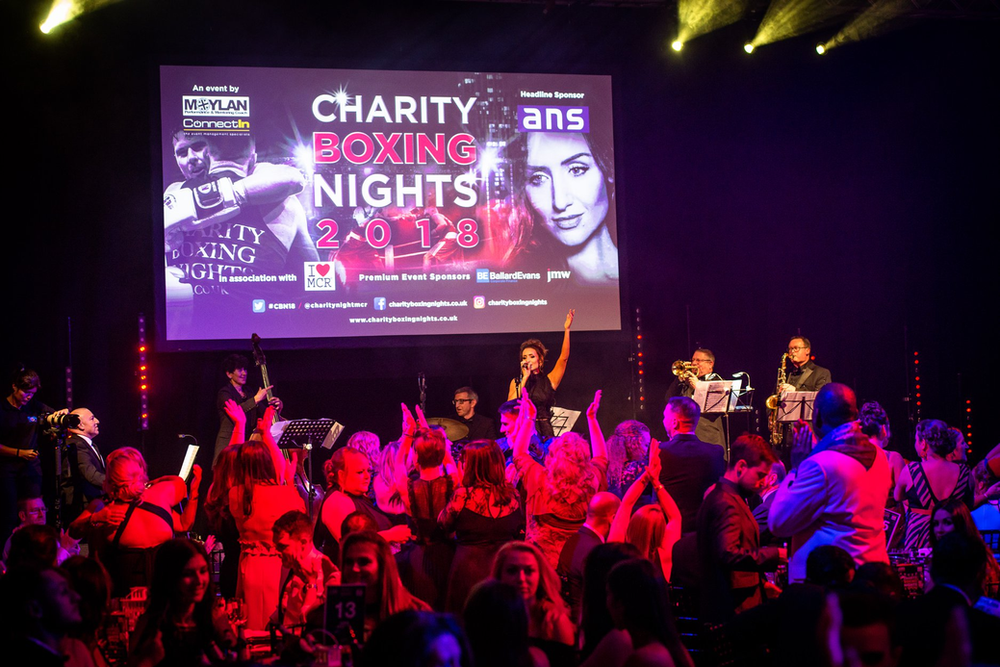
Quiz nights, gala dinners, charity auctions. They’re popular for a reason and often dominate the thinking when it comes to charity event formats. But if you want your event to really cut through, it helps to think about what makes yours different.
There’s a reason so many corporate decision-makers dread planning these events. Traditional charity fundraising event ideas have become so formulaic that participants know what to expect before they’ve arrived. Not only does predictability kill engagement, it also affects the main purpose. Donations.
After years spent delivering corporate gatherings, the pattern is clear to the team at ConnectIn Events. The fundraisers that do hit the mark take familiar concepts and twist them just enough to make people genuinely curious about what happens next.
Our guide focuses on fresh ideas for charity events that have consistently outperformed expectations — not because they’re expensive or super ambitious, but because they genuinely understand what gets people involved.
Why Many Corporate Charity Events Fail Before They Start
Walk into a subpar charity fundraiser and you’ll usually see clusters of colleagues making polite conversation, a few people checking their phones, and a niggling sense that a fair few guests would rather be somewhere else. The problem usually isn’t usually the cause; staff invariably enjoy supporting charitable work. The issue is execution.
Standard charity event formats treat attendees as passive donors rather than active participants. Silent auctions where nobody bids, speeches that ramble, and pleasant but forgettable entertainment. These events often aim for “not offending anyone” rather than “creating something people genuinely enjoy.”
The solution isn’t to throw the kitchen sink at the problem, it’s to rethink what “success” actually looks like. Forget forced fun. Let’s get creative.
10 Creative Charity Fundraising Event Ideas for Corporate Teams
Understanding Event Costs and Returns
Each of our ten ideas includes realistic cost ranges and expected fundraising returns to help you budget more effectively. That said, actual costs will vary based on things like location, venue choice, supplier relationships, and the event’s scale. Perhaps the key metric here isn’t just what you spend; it’s what you end up raising for your charity.
Professional event managers often reduce overall costs via their established connections and efficiency. Crucially, they also help to ensure your gathering is the absolute best version of itself.
1. The Reverse Charity Auction
Revenue streams: Entry tickets (£15-25 per person), auction proceeds, corporate item sponsorship.
Rough cost for 100 people: £800-2,100.
Partner with local businesses to donate 15-20 items, as they get logo recognition and you get free inventory. Include experiences costing companies nothing, such as: reserved parking, lunch with CEO, and WFH Fridays. Items begin at absurdly high prices and drop in timed increments, so the first person to buzz in wins at that price. The game mechanics create genuine tension, instead of wondering “will someone outbid me?” participants ask “do I grab this now or risk losing out?” Install donation stations at tables for impulse giving during tenser moments.
Net fundraising: £3,000-5,500 | ROI: 250-400%
2. The 24-Hour Sponsored Challenge
Revenue streams: Pre-event sponsorship pledges, participant registration fees, corporate matching, live donations.
Rough cost for 100 people (20 teams): £900-2,000.
Teams compete to complete as many challenges as possible within 24 hours. Participants secure sponsors pledging £5-20 per challenge completed. A team completing 25 challenges with 10 sponsors at £10 each raises an impressive £2,500. Challenges span abilities: 10,000 steps, team songs, recreating famous album covers. Social media updates throughout capture impulse donations from participants’ networks. Live leaderboard drives competition, so donations spike when teams are neck-and-neck.
Success hinges on effective pre-event sponsor recruitment. Provide teams with email templates and sponsorship forms 3-4 weeks before the event.
Net fundraising: £14,000-28,000 | ROI: 800-1,500%
Figures assume successful sponsor recruitment (8-12 sponsors per participant)
3. The Premium Charity Ball
Revenue streams: Tiered tickets, corporate sponsorships, live auction, silent auction, raffles, pledge cards.
Rough cost for 100 people: £4,500-8,500.
Ticket tiers: Standard, VIP tables, and Patron tables. Secure corporate sponsors first, as their contributions often cover base costs, making ticket sales pure profit. Silent auction could raise £2,000-4,000. Live auction featuring premium items and experiences could raise anywhere from £3,500-8,000.
Add a 1920s speakeasy theme: password entry requires a donation and the prohibition cocktails all benefit charity. Strategic “giving moment” two-thirds through the evening (after your charity video and brief beneficiary testimonial) invite pledge card donations. This structured emotional ‘ask’ often raises 20-30% of total event revenue.
Dedicated event management can boost fundraising by using experienced auctioneers, strategic sponsor cultivation, and precise timing of donation asks.
Net fundraising: £13,000-19,000 | ROI: 200-290%.
4. The Corporate Quiz Night (Done Right)
Revenue streams: Team entry fees, raffle sales, “lifeline” purchases, drinks revenue.
Rough cost for 100 people (12-13 tables): £850-1,850.
Charge up to £100 per table (6-8 people), while selling raffle tickets throughout for donated prizes. Offer “lifelines” include: buying hints, extra time, and challenging rivals’ answers. These create organic fundraising moments throughout rather than concentrated asks. Sell drinks with profits to charity.
Include one round specifically about the charity you’re supporting, to educate while entertaining. Final “double or nothing” round: teams wager their current points by donating £10-50. Winners get bragging rights and chocolate medals. Woo hoo!
Keep it well under three hours, as energy drops after that. Professional quiz masters maintain the momentum better than most volunteer hosts.
Net fundraising: £1,000-2,500 | ROI: 110-130%
5. The Charity Bake-Off with Tasting Tickets
Revenue streams: Tasting ticket sales, entry fees, “people’s choice” voting donations.
Rough cost for 100 people: £500-1,100.
Participants bake at home (zero ingredient cost to organisers). Sell tasting tickets £2-3 each, attendees typically buy 5+ tickets to sample a few entries. For 100 people buying 6 tickets at £2.50, that’s £1,500 before any other revenue streams.
Categories are key to participation: “best disaster,” “strangest flavour combo,” and “most creative” for starters. Charge £1 per vote for “people’s choice” award (separate from judges’ decisions). Include dietary categories (best vegan, gluten-free) for inclusivity. Optional £5-10 entry fee for bakers who want to compete seriously.
This is a low-cost event that works well as an add-on to other activities or as a regular annual tradition.
Net fundraising: £900-1,500 | ROI: 130-180%
Best suited as a supplementary fundraiser or team-building event with modest fundraising goals.
6. The Murder Mystery Dinner
Revenue streams: Premium ticket pricing for immersive theatrical dining experience.
Rough cost for 100 people: £4,000-8,000.
Charge £50+ per ticket for a three-course dinner, professional actors, and full mystery experience. Between courses, guests grill suspects and gather clues to solve the crime. Consider adding silent auction items on tables and selling “evidence packets” containing extra clues for eager detectives.
1920s, medieval, or Hollywood themes work particularly well. Hire a murder mystery company or purchase a DIY kit and use talented staff volunteers.
Professional event coordination ensures theatrical elements integrate smoothly with dining service, as timing is critical for this format. The formal dinner setting justifies higher ticket prices while the interactive element keeps it engaging.
Net fundraising: £1,500-3,750 | ROI: 35-80%.
Lower ROI but the engagement value and team-building benefits are elite.
7. The Charity Casino Night
Revenue streams: Entry fees with play chips, additional chip purchases, drinks sales.
Rough cost for 100 people: £1,800-3,150.
Charge for entry including welcome drink and play chips, while selling additional chips throughout the evening (£10 for £1,000 in play money). Blackjack, roulette, and poker tables staffed by professional dealers create an authentic casino atmosphere.
At the end, the highest chip counts win donated prizes: weekend breaks, restaurant vouchers, tech gadgets, and more. The trick is that the play money has no real value, so all chip purchases are pure donations. Create a “high rollers” table requiring £50 minimum donation to access for extra exclusivity.
Mock casino licenses are free in the UK for charity events. The key is encouraging chip purchases throughout, so strategic timing of announcements significantly increases per-person spending.
Net fundraising: £1,500-2,800 | ROI: 80-150%.
8. The Time Capsule Gala
Revenue streams: Tiered ticket pricing, decade-themed auction items, “era challenges” with entry fees, photo booth revenue, raffles.
Rough costs for 100 people: £3,000-6,500.
Each table represents a different decade. Guests choose their era when booking and dress accordingly, with each decade featuring period-appropriate decorations and menu items. Tables compete in era-specific challenges throughout the evening.
Run a silent auction featuring decade-specific items and experiences: vintage concert posters, retro tech, era-defining fashion pieces. Charge £5+ entry for decade challenges; winning tables get bragging rights and chocolate “time travel medals.” Professional photographers create decade-appropriate photo booth experiences (£10 per print set, profits to charity).
The nostalgia factor drives engagement and social sharing. The competitive element between decades creates natural energy throughout the evening. If you use an event planner, you can expect smooth transitions between musical eras and slick coordination of your themed zones.
Net fundraising: £2,500-5,200 | ROI: 80-125%.
Moderate ROI but great engagement value thanks to the immersive themes and competitive angle.
9. The Around-the-World Dinner
Revenue streams: Premium ticket pricing, cultural experience packages, destination raffles, passport stamp sales.
Rough cost for 100 people: £5,000-8,000.
Guests travel between 4-5 venues/rooms representing different countries where your charity operates, i.e., appetisers in “Morocco,” mains in “India,” desserts in “Brazil.” Each location features cultural performances, charity impact stories from that region, and destination-specific auction items.
Charge £50+ per ticket and sell “passport stamps” for £5 each. Completed passports enter prize draws and cultural experience add-ons like henna artists or craft demonstrations can also generate additional revenue. Partner with cultural organisations and restaurants for entertainment/expertise.
Transportation between venues becomes part of the experience, with decorated coaches promoting the charity’s work. Movement maintains energy while educational components deepen emotional connection to the cause. Professional coordination ensures smooth venue transitions and precise timing across each location.
Net fundraising: £3,200-6,500 | ROI: 70-135%.
10. The Wine/Whisky Tasting Evening
Revenue streams: Premium ticket pricing, bottle raffles, silent auction, bottle sales commission.
Rough cost for 100 people: £1,000-3,000.
Charge £40-60 per ticket for guided tasting of 6-8 wines or whiskies led by a sommelier or brand ambassador. Many suppliers provide educators free in exchange for product exposure and potential sales. Light food pairings (cheese, charcuterie) add perceived value without major cost increase.
Sell raffle tickets (£5 each) to win bottles of premium spirits displayed throughout the venue. Run a silent auction on special editions or luxury gift sets donated by suppliers. Offer “tasting notes” booklets for £5 donation. End with a “buy your favourite” option where guests purchase full bottles with 20% going to charity.
The classy format appeals to corporate audiences willing to pay premium prices for quality educational experiences.
Net fundraising: £3,100-5,000 | ROI: 150-260%.
Why Do Even Great Charity Event Ideas Sometimes Fail?
Most corporate charity events don’t fail because of the idea. They fail because of execution.After years of running events across Manchester and the north of England, the same issues come up repeatedly:
- No Clear Primary Goal: Are you maximising donations? Strengthening team culture? Raising awareness? You can achieve all three, but one should lead. Events that try to optimise everything usually underperform across the board.
- Weak Internal Promotion: If staff hear about the event just once in a busy week, turnout will suffer. Successful corporate fundraisers are marketed internally like product launches, with reminders, momentum-building updates, and visible leadership support.
- Donation Friction: QR codes, contactless payments, company matching pools, and live progress boards remove barriers between impulse and action.
- Overcomplication: Creative doesn’t mean chaotic. If rules are unclear or logistics feel messy, energy drops fast.
If you choose a format people genuinely want to participate in — and execute it cleanly — fundraising becomes a natural by-product of engagement, rather than a forced ask.
Charity Fundraising Ideas: The FAQs
Q: How much should a corporate charity event realistically raise?
It depends on team size and format. Charity balls can reach £100–150 per person. Aim for 65–70% of total revenue going directly to the charity after costs.
Q: What if turnout is low?
Low attendance usually comes down to choosing the wrong idea/theme, poor timing (school holidays, peak workload periods), weak promotion, or poor past events. A short internal survey will quickly reveal which issue you’re facing.
Q: Should we plan it internally or hire professionals?
For simple formats (bake-offs, quiz variations, challenges), internal planning often works well. For anything more complex (balls, multi-venues, immersive experiences), professional support can prevent costly mistakes and improve fundraising results.
Q: How do we keep events fresh year after year?
Rotate formats and involve new planning committees. Most importantly: deliver an experience people genuinely enjoy. If the event feels like an obligation, enthusiasm drops fast.
Q: What entertainment works best on a tight budget?
Interactive beats passive every time. Staff talent showcases, team challenges, and competitive formats often outperform expensive external acts. Ultimately, engagement drives donations more than polish.
Start Planning Charity Events That Shine
If your event feels “fine enough” rather than fantastic, donations will suffer and your team will leave feeling underwhelmed. The gap between ropey and remarkable isn’t always a budget problem, it’s whether the event respects participants’ time, sparks curiosity, and creates moments people want to be part of.
By choosing the right format, simplifying execution, and removing donation friction, your charity fundraiser can:
- Raise more funds without extra cost.
- Strengthen team culture.
- Build lasting awareness for your cause.
If you’re planning a corporate charity event in Manchester or the wider UK — and want it to smash engagement and donations — we can help.
Drop us a line today to plan your event.
Even small adjustments: better participation mechanics, clearer goals, or hybrid-friendly formats, can turn your next fundraiser from so-so to seriously talked-about. Your team shouldn’t just attend your event and leave without comment. They should be asking, “When’s the next one?”
Get in touch today to plan a charity event that delivers.
Written by Jordan Walker, Director at ConnectIn Events, with 15+ years hatching charity fundraising event ideas for businesses across the UK and Ireland. He specialises in delivering corporate gatherings that people actually remember.
Share this post
Related posts